When Do I Replace My Dental Fillings?
Dental fillings are a common solution to cavities and tooth decay. However, they don't last forever. You might be wondering how long they last and when you will need to replace them. Let's dive into that in this blog – keep reading!
Understanding Dental Fillings
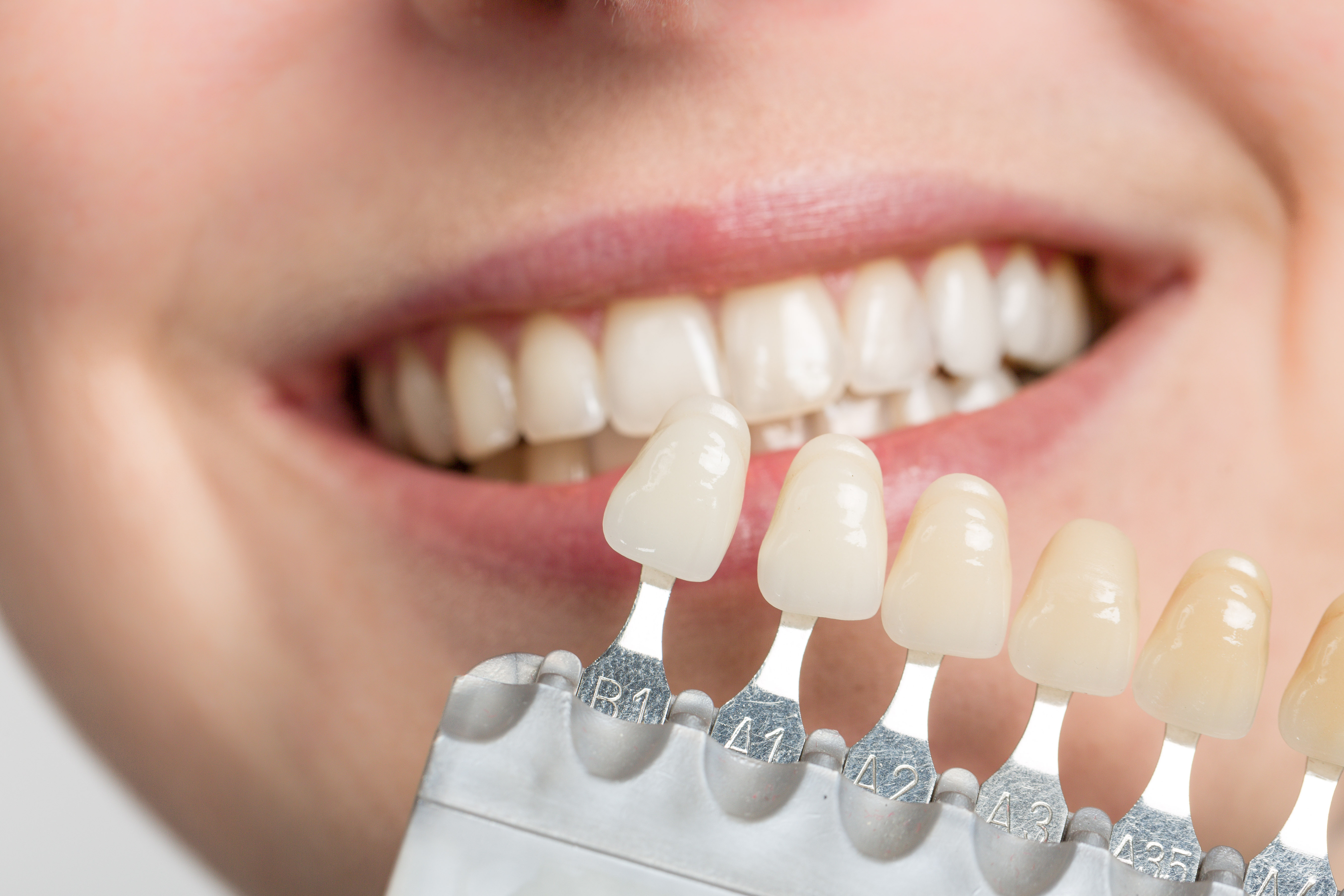
Dental fillings are made from a variety of materials, including composite resin, porcelain, gold, or an amalgam (a mix of metals). They work by filling in the area of the tooth where decay has been removed, preventing further damage and restoring the tooth's function. However, no matter how well they're installed, fillings aren't permanent. Over time, they can wear down, crack, or fall out. Regular dental check-ups are crucial in monitoring the condition of your fillings.
Signs Your Filling May Need Replacement
There are several signs that your dental filling may need replacement. You might feel pain or sensitivity in the filled tooth when you eat or drink, especially foods that are hot, cold, or sweet. You might also notice a rough or sharp edge where the filling has worn down or cracked. In some cases, you might even see the crack or damage, or notice that part of the filling is missing. If you experience any of these symptoms, it's essential to schedule a dental appointment as soon as possible.
The Lifespan of Dental Fillings
The lifespan of dental fillings depends on the material used and how well you take care of your teeth. Amalgam fillings can last up to 15 years, while composite fillings typically last 5 to 7 years. Gold and porcelain fillings can last over 15 years with proper care. Regular brushing, flossing, and dental check-ups can help extend the life of your fillings.
The Process of Replacing Dental Fillings
Replacing a dental filling is a straightforward procedure that your dentist can often complete in one visit. After numbing the area, your dentist will remove the old filling and any additional decay, clean the tooth, and then place the new filling. It's generally a painless procedure, but you might experience some sensitivity afterwards.
Preventing the Need for Future Fillings
The best way to prevent the need for future dental fillings is by maintaining good oral hygiene. Brush your teeth twice a day, floss daily, and visit your dentist for regular check-ups and cleanings. Also, consider using a fluoride toothpaste or mouthwash to strengthen your enamel and prevent decay.
Schedule Your Dental Check-Up Today!
If you think your dental filling might need replacement, don't wait. At Advanced Dentistry of Mount Pleasant, Dr. Candice Vinson and her team are ready to help. We'll assess your fillings and provide the best treatment options for your needs. Don't let discomfort or uncertainty affect your oral health. Call us today at (843) 936-1690 to schedule your appointment. Your smile is our priority!

.webp)