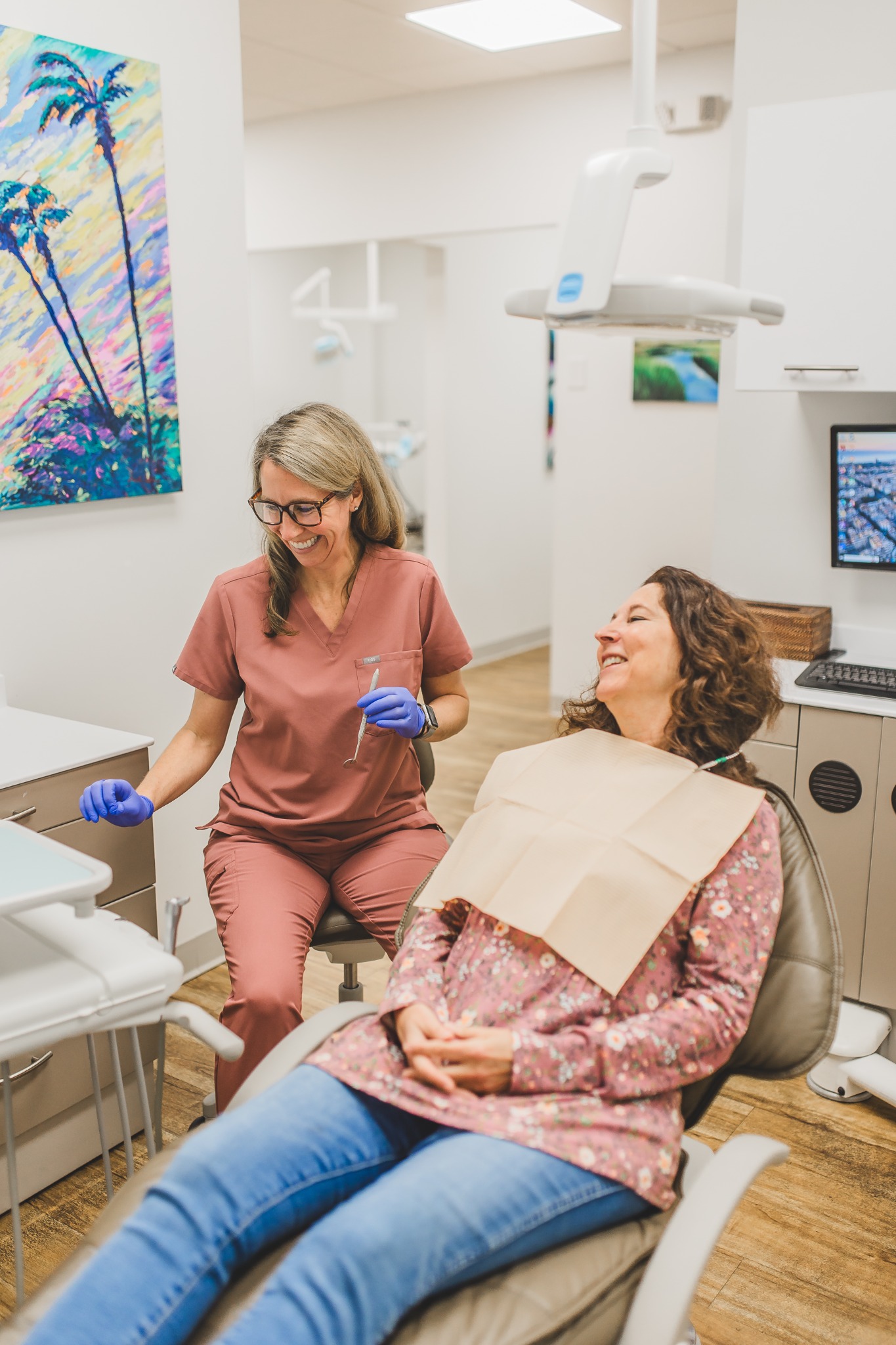
Need a Break at the Dentist? Agree on a Simple Hand Signal
One of the awkward parts of a dental visit can be wondering how to speak up when your mouth is open. You may have a question, feel uncomfortable, or simply want a moment to regroup. Planning how to communicate before care begins gives you a clear way to ask for attention.
With Thanksgiving approaching and calendars getting crowded, it is easy to focus only on fitting an appointment in. Make room for a brief conversation about comfort, too. A simple hand signal is a useful place to start.
Agree on the signal before you need it
The American Dental Association suggests agreeing on a signal, such as raising your hand, to let your dentist know you need a break during an examination. Discuss it while you can speak comfortably, rather than trying to work it out mid-visit.
Ask which hand to raise and how much movement is needed. Keep the gesture small and away from the treatment area. The purpose is to get your dental team’s attention without having to talk around equipment.
You can also ask what will happen after you signal. Understanding how the team will pause and check in makes the plan more specific than simply hoping someone notices you are uncomfortable.
Explain what makes a visit difficult
Try describing the part that concerns you most. Is it an unfamiliar sound, uncertainty about the next step, or the feeling that you cannot easily ask a question? If a previous experience affects how you feel, share what you are comfortable discussing.
You can mention concerns when arranging the appointment and remind the team when you arrive. There is no need to give a long explanation or find a perfect label for how you feel. A few clear details give the conversation a starting point.
Ask for the amount of explanation you prefer
Some people want to hear what is coming next. Others would rather discuss the overall plan without a detailed description of every instrument. Tell your dentist which approach you prefer and ask what is possible for your visit.
You might also discuss headphones or another distraction if that appeals to you. If you plan to listen to something, confirm how you will hear instructions and communicate. A comfort preference should fit alongside the communication plan.
Speak up about pain
A pause signal is not a substitute for discussing pain. Tell your dentist if something hurts, including if you experience pain despite local anesthetic. You do not need to judge whether you have a “good enough” reason to mention it.
Before leaving, note anything that helped so you can bring it up next time. A small detail, such as knowing when explanations were useful, can make your preferences easier to communicate.
Learn about our Comfort Menu, or contact Advanced Dentistry of Mount Pleasant to request an appointment. Let us know what you would like to discuss before your visit so you can start with your questions on the table.